
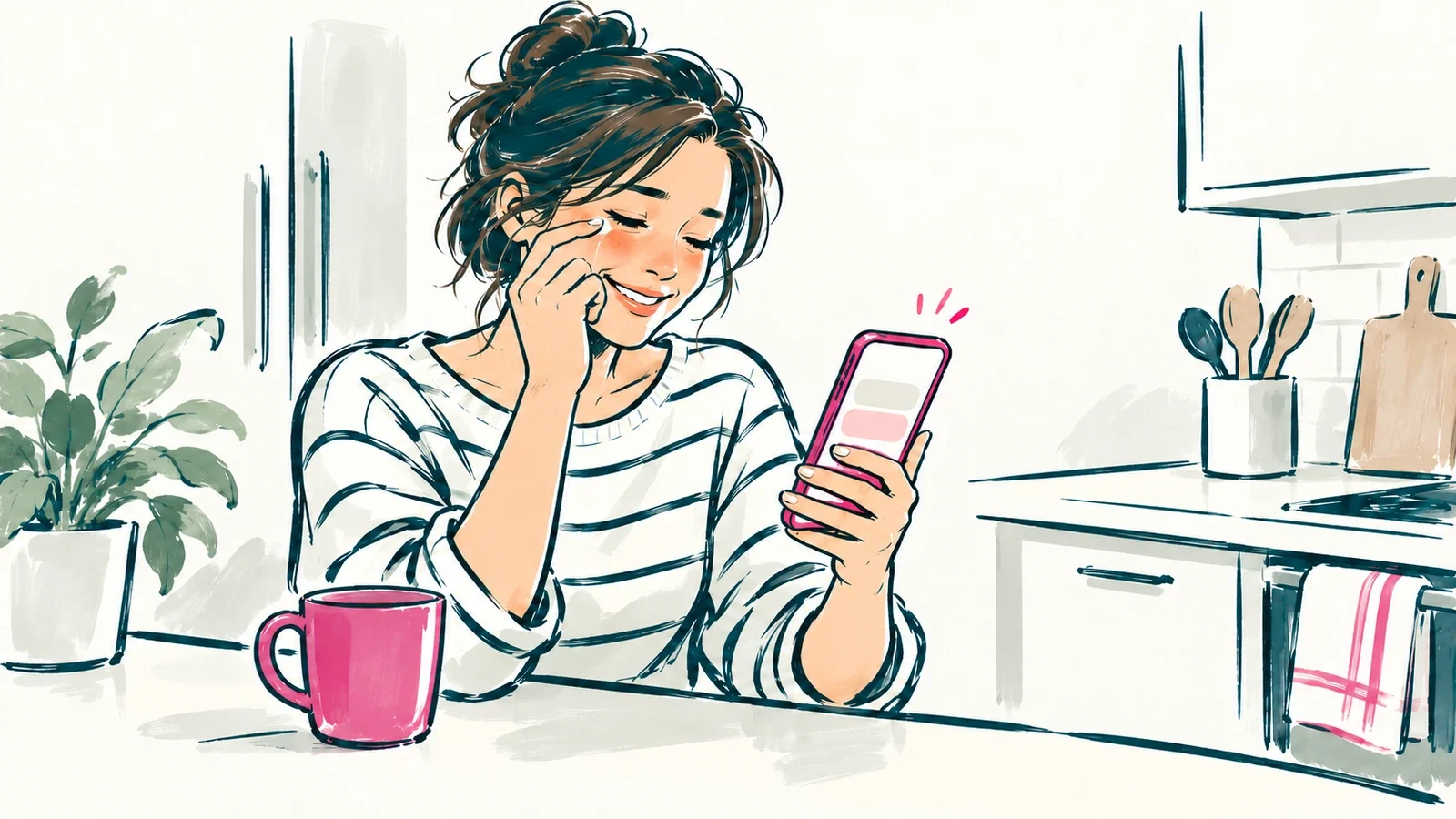
The short answer
Feeling unusually emotional is most often a sign that your reserves are low. Lack of sleep, long-running stress, hunger, illness, hormonal changes, grief and big life changes all make the brain more reactive and less able to regulate feelings. Some people are also naturally more sensitive. It helps to look at the basics first, especially sleep, then to name what you feel, reduce the load where you can and talk to someone. If the feelings are intense, last for weeks or come with low mood or anxiety most days, speak to a doctor.
You cried at an advert for car insurance. A colleague asked a perfectly reasonable question and you felt a flash of anger you could barely hide. A friend said something kind and you had to leave the room.
Afterwards there’s often a second feeling, a sort of embarrassed confusion. What is going on with me? Why am I so emotional?
Usually the answer is not that something is wrong with you. It is that something is asking more of you than usual, and your feelings are the first place it shows. Here are the most common reasons, starting with the most ordinary.
You’re tired
If there is one place to start, it’s sleep. Even a single bad night changes how the brain handles emotion.
In a study led by Matthew Walker, people kept awake for about 35 hours showed a much stronger reaction in the amygdala, the brain’s alarm center, when viewing upsetting images than people who had slept, around 60 percent more. The connection between the amygdala and the part of the prefrontal cortex that usually calms it was weaker. In plain terms, the alarm got louder and the brakes got softer.
You don’t have to pull an all-nighter for this to matter. A week of short nights, broken sleep with a baby, or lying awake worrying can leave you more tearful, more irritable and more easily overwhelmed.
You’ve been under stress for a while
Stress that lasts weeks or months wears down your capacity to cope. It’s a bit like a phone battery: when it is full, small demands barely register. When it is at five percent, everything drains it.
People under long stress often say they “don’t know why” they are upset, because the trigger was small. The trigger isn’t the cause. It is the last drop in a full glass. If this sounds familiar, Feeling Overwhelmed: Why It Happens and What Helps looks at it in more detail.
Your body needs something
Hunger, dehydration, pain, illness and too much caffeine or alcohol all change how you feel. Low blood sugar can make people shaky and irritable, which is where the word hangry came from. Alcohol can lift your mood in the evening and leave you anxious and low the next day. A cold or an infection can make you weepy before you even notice you’re ill.
Before looking for deep reasons, it’s worth checking the simple ones. When did you last eat, drink water or go outside?
Hormonal changes
Hormones affect mood, and they change across life. Many women notice they are more emotional in the days before their period. For some, this is severe enough to be diagnosed as premenstrual dysphoric disorder, which is treatable. Pregnancy, the weeks after giving birth, perimenopause and menopause are all times when shifting hormones can make feelings stronger or less predictable.
Thyroid problems can also affect mood. If you notice a change in your emotions along with changes in weight, energy or sleep, it’s worth mentioning to a doctor.
Something has changed in your life
Big changes, even good ones, stir up feelings. Moving house, starting a new job, a relationship beginning or ending, a child leaving home, retirement, an illness in the family. Each one involves losing something familiar, and feelings often arrive in waves while you adjust.
You’re grieving
Grief isn’t only about death. It comes after the end of a relationship, the loss of a job, a move away from friends, or the slow change in a parent who is getting older. It often shows up as tears at unexpected moments, irritability and a shorter fuse. We look at how it works in How Long Does Grief Last?
You’ve been holding things in
If you are used to keeping a lid on your feelings, they tend to build up and come out sideways, often at the wrong moment and in the wrong size. The tears at the advert may be tears you didn’t let yourself cry about something else.
It’s who you are
Some people simply feel things more strongly and notice more. The psychologist Elaine Aron described this as being a highly sensitive person, and her research suggests a sizable minority of people have a nervous system that processes experiences more deeply. They may be more moved by music and beauty, more affected by other people’s moods and more easily overloaded by noise or busy days. If that sounds like you, we look at the trait in detail in Highly Sensitive Person: What It Means and the Signs to Look For.
If you have always been like this, it isn’t a flaw to fix. It’s a trait to work with: more rest between busy days, fewer commitments, and permission to step away when things get loud.
It could be anxiety or depression
Sometimes feeling very emotional is a sign of something that deserves proper care. Signs to take seriously include:
- low mood or loss of interest most days for two weeks or more
- constant worry or a sense of dread
- crying often without being able to say why
- feeling numb or empty, or swinging between numbness and overwhelm
- trouble sleeping, or sleeping much more than usual
- thoughts that life isn’t worth living
If any of these sound familiar, please talk to a doctor or a mental health professional. If you ever have thoughts of harming yourself, contact a crisis line straight away. In the United States you can call or text 988.
What helps when you feel too emotional
Start with the basics
Sleep, food, water, movement and daylight are not glamorous advice, but they are the foundation everything else stands on. If you can only change one thing this week, protect your sleep.
Name what you feel
“Emotional” is a very broad word. Are you sad, anxious, irritable, overwhelmed, lonely? A precise word takes some of the sting out and tells you what you need. The Emotion Wheel: How to Name What You Feel shows how.
Let the feeling move through
A strong emotion, if you don’t feed it with more thoughts, usually rises and falls within minutes. Try to let it be there without arguing with it. Breathe slowly, put a hand on your chest, and wait for the wave to pass before you decide anything.
Lower the load
If your battery is low, look for what you can drop, delay or share. Saying no to one thing this week can be more helpful than any technique.
Talk to someone
Telling a friend “I’ve been really emotional lately and I’m not sure why” can be a relief in itself. Often they’ll notice something you haven’t, like how much you have been carrying.
Be kind to yourself about it
Being emotional isn’t weakness or immaturity. It is information. The question isn’t “why can’t I control myself?” but “what is this telling me I need?”
A small practice
For the next three days, each time you have an emotional moment that surprises you, write down three things: what happened, how much you slept the night before, and when you last ate. On the fourth day, look for a pattern. For many people, it is right there on the page.
For the bigger picture, see How to Understand Your Emotions.
Frequently asked questions
Why am I so emotional lately?
The most common reasons are lack of sleep, long-running stress, hormonal changes, illness, grief and big life changes. All of them lower your capacity to regulate feelings, so small things hit harder.
Why do I cry so easily?
Crying easily is often a sign of tiredness, stress or a build-up of unexpressed feelings. Some people are also naturally more sensitive. We look at it in detail in Why Do I Cry So Easily?
Is being emotional a sign of depression?
Not necessarily. But if you feel low, empty, anxious or tearful most days for two weeks or more, or you’ve lost interest in things you used to enjoy, it is worth talking to a doctor.
How can I stop being so emotional?
Rather than trying to stop feeling, work on the conditions that make feelings stronger: sleep, stress, food and rest. Naming your emotions precisely and letting them pass before acting also helps a lot.